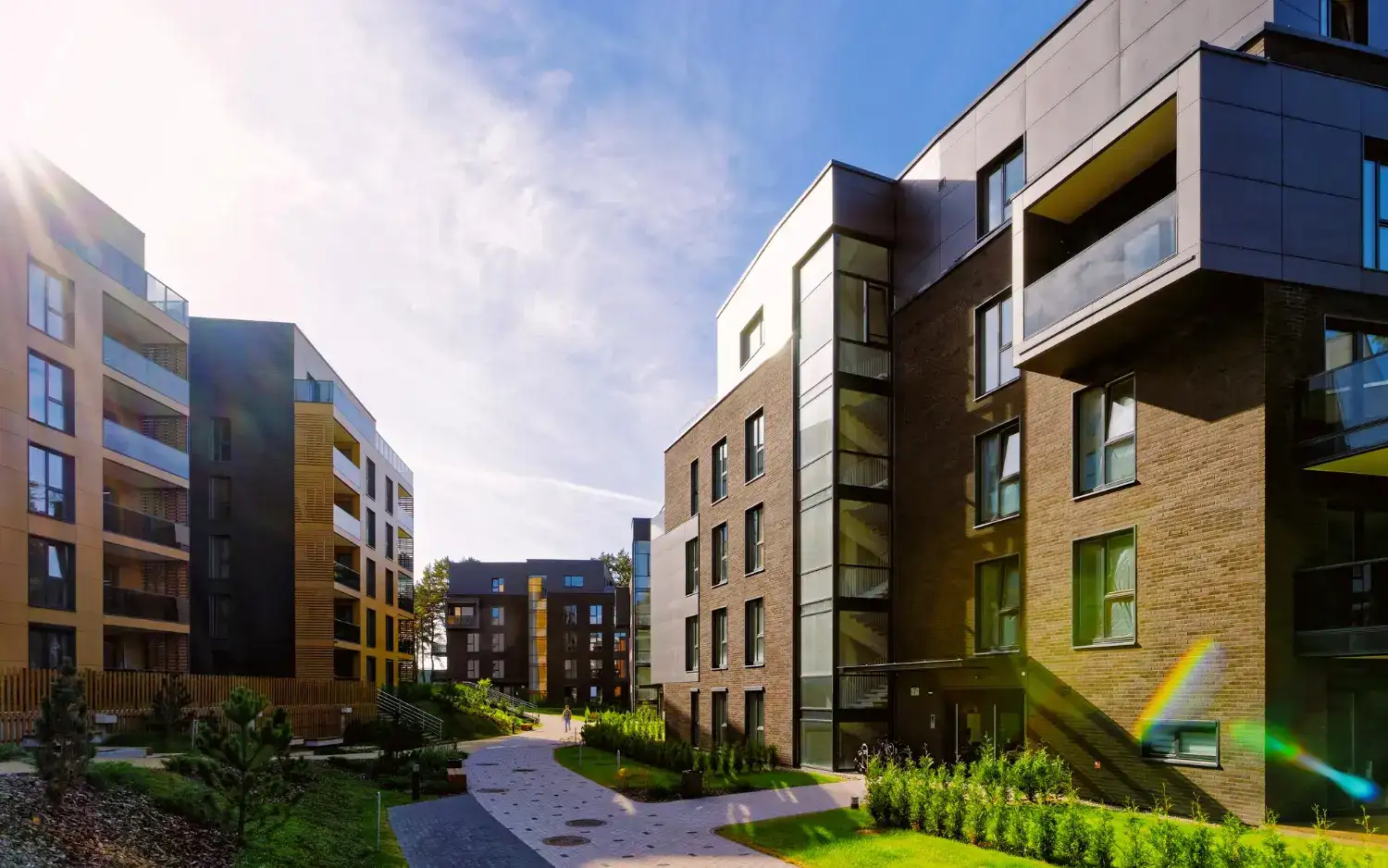
The Government has confirmed more than €5 billion in capital investment for housing delivery in 2026, in addition to ongoing programmes by the Land Development Agency and Approved Housing Bodies. The investment aims to accelerate supply, support urban regeneration and improve the quality of Ireland’s housing stock.
Financing and Supports for Homebuilding
As part of the Budget, Minister for Finance Paschal Donohoe announced an additional €200 million in external funding for Home Building Finance Ireland. The agency provides finance to homebuilders nationwide and is expected to play a key role in supporting new housing projects next year.
To encourage upgrades to rental accommodation, the income tax deduction for small landlords who retrofit their properties will be extended for a further three years. The Minister said the aim is to increase the number of homes available for rent while improving overall quality and energy efficiency.
The Residential Development Stamp Duty Refund Scheme, originally due to expire at the end of this year, has also been extended to 2030. This scheme allows developers to reclaim part of the stamp duty paid when land purchased for residential development is built upon within a specified period.
Expansion of the Living City Initiative
The Living City Initiative, designed to support the restoration of older residential and commercial buildings in designated urban areas, will continue to the end of 2030. The scheme has been broadened to include properties built before 1975, rather than the previous cutoff of 1915.
Additional changes include:
-
Enhanced support for converting “over the shop” premises into residential units
-
An increased relief cap, rising from €200,000 to €300,000
-
Expansion of the scheme to five new regional centres under the National Planning Framework: Athlone, Drogheda, Dundalk, Letterkenny and Sligo
New Derelict Property Tax Announced
A new Derelict Property Tax will replace the existing Derelict Sites Levy. Revenue will oversee its implementation and collection. Minister Donohoe said the measure is intended to tackle long term vacancy and dereliction in towns and cities.
Key points include:
-
The current levy rate of 7% will serve as a minimum benchmark
-
Legislation for the new tax will be introduced in 2026
-
Preliminary registers of derelict properties will be published in 2027
-
The tax will be implemented as soon as possible after the registers are finalised
The Minister said the aim is to bring unused properties back into productive use and support wider regeneration efforts.
Rent and Mortgage Relief Measures Extended
Two key supports have been extended:
-
Rent Tax Credit: Due to expire in 2025, the credit will now run until the end of 2028.
-
Mortgage Interest Tax Relief: Extended for a further two years, with a tapered benefit in the final year.
Both measures are intended to help households manage rising housing costs while supply-side interventions work to ease market pressures.
